
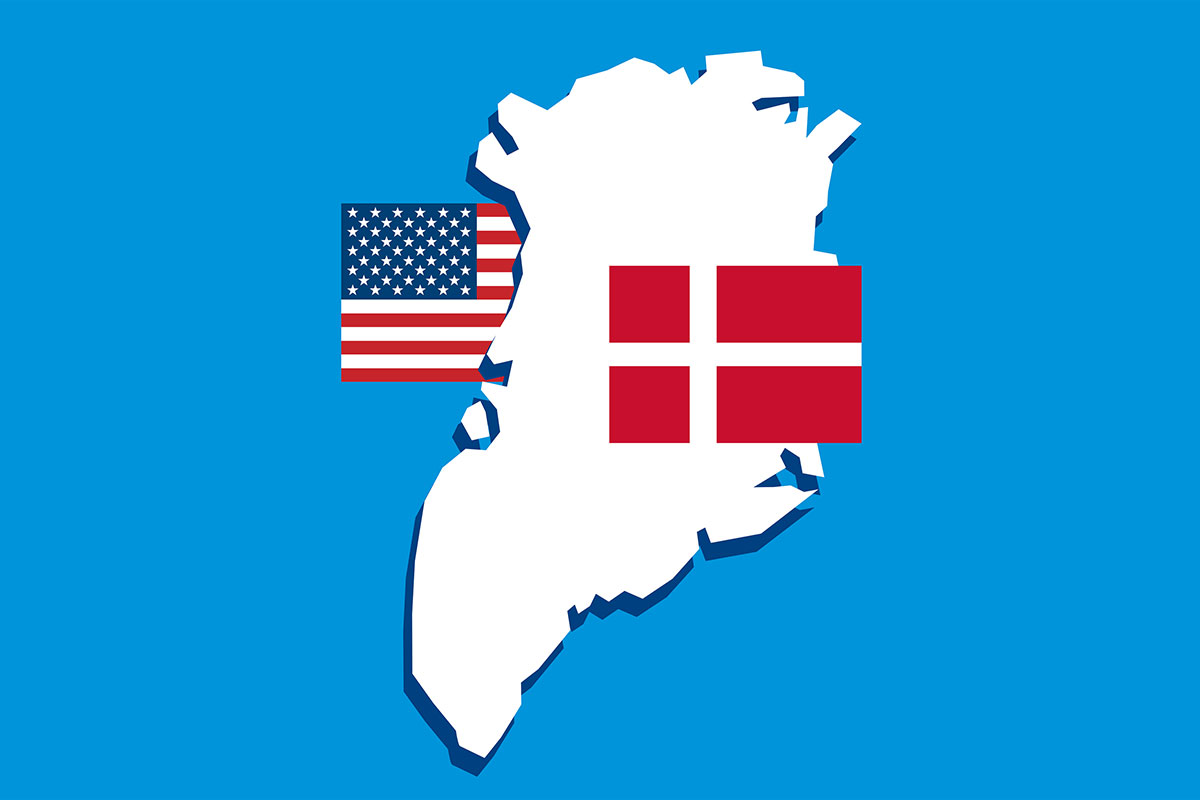
Institutional investors in Denmark and across Europe are assessing their holdings of U.S.-based assets such as Treasurys, as President Donald Trump’s administration doubles down on its threats to annex Greenland, an autonomous territory of Denmark.
On Wednesday, the White House issued a statement that: “The president and his team are discussing a range of options to pursue” the acquisition of Greenland, an “important foreign policy goal.”
The Threats, consistent since Trump retook office in January 2025, have elicited strong reactions in Denmark and Europe.
“The current situation naturally influences the broader geopolitical and economic environment, which can have an impact on investment considerations across the industry,” a spokesperson for Forsikring & Pension, a Danish pension and insurance trade association, wrote in response to an emailed request for comment.
Another public pension fund in Denmark, AkademikerPension noted that in a worst-case scenario, it could sell off its U.S. Treasury holdings but stop short of a full divestment of U.S. assets, a measure that would be unlikely, if not impossible, for many institutional investors.
“We are taking no action based on rhetoric alone,” AkademikerPension CIO Anders Schelde wrote in an email. “However, if Greenland were to be annexed and the Stars and Stripes raised in Nuuk, the situation would be fundamentally different, and we would have to respond accordingly. In such a scenario, we would move toward excluding the U.S. government—meaning we would sell our holdings of U.S. Treasuries—while likely retaining our investments in private U.S. companies, as a full divestment from all U.S. assets would be disproportionate.”
AkademikerPension, set up for Danish academics, manages 157 billion kroner ($24.5 billion) in assets and holds approximately $100 million in U.S. government bonds, according to a spokesperson for the fund.
Importance of Treasury Demand
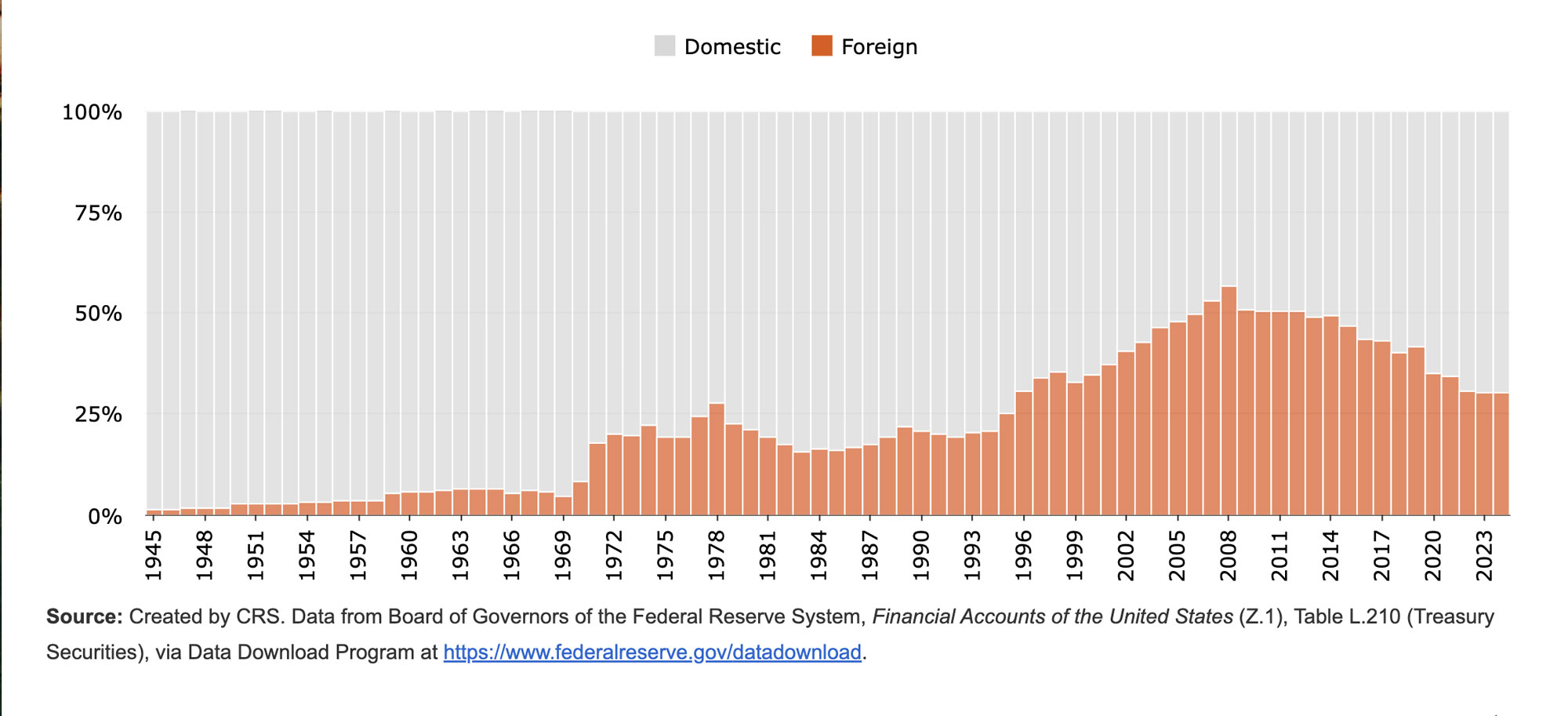
The U.S. government has long run a budget deficit, financed in part by foreign investors, who own about 30% of publicly held Treasury debt. According to a report from the Congressional Research Service. The CRS, in the report, warned that continued growth in net foreign debt risks a reassessment by foreign holders. If demand for Treasurys were to weaken, it could raise U.S. borrowing costs and put pressure on the dollar.
Foreign and Domestic Holdings of Treasury Securities
 The Danish pension system, as a whole, manages 5 trillion kroner ($782 billion) in assets, according to a 2025 report from Denmark’s central bank.
Danish pension funds, as of mid-December 2025, sold approximately 10 billion kroner of U.S. Treasurys in 2025, with these investors looking to instead increase holdings of European debt, according to a report from Danish publication Finans.
“Trump’s policies are causing so much turmoil and so many potential risks, such as questioning the dollar’s status as a reserve currency, the sustainability of government debt, and the independence of the central bank, that we have sold out,” Tine Choi Danielsen, Danish pension fund PFA’s chief strategist and head of multi-asset, told Finans, in a statement translated by Finans’ sister publication, AMWatch. “However, we have retained our corporate bonds and equities. We believe in American companies, but we do not believe in the political United States.” 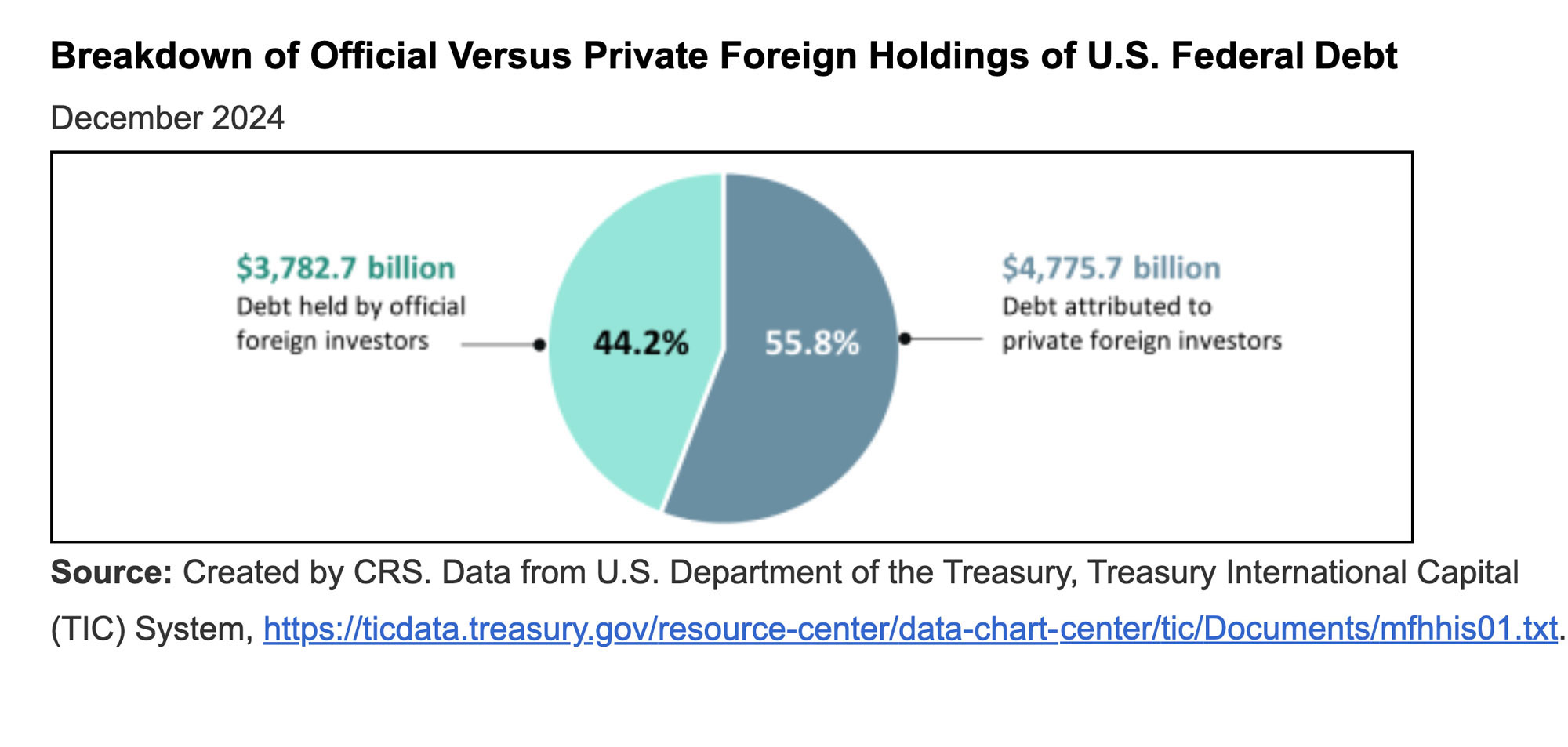
Flagging European Confidence
U.S. assets still account for a significant portion of European institutional portfolios. According to a June 2024 report from F&P, Danish pensions had 1.143 trillion kroner in assets invested in the U.S. and 861.7 billion kroner in Europe, excluding Denmark. This included 900 billion kroner invested in U.S. stocks and 300 billion kroner in EU stocks.
“In Europe, talks of annexation remind policymakers of 20th-century imperial dynamics, which in turn pressures institutional investors to reconsider exposures that they see as politically risky,” says Usha Haley, chair of international business and a professor of management at Wichita State University.
Trends among European institutional investors have been to pull back from U.S. investments in general. A July 2025 report from CoreData found that 63% of European investors reduced their U.S. exposure as a result of April’s tariff announcements, with 82% of European respondents saying they anticipated long-term reductions in U.S. exposures.
Increased defense and infrastructure spending in Europe has also propelled the value of European assets. European equities outperformed their U.S. counterparts in 2025, with the MSCI Europe Index returning 36.25% during the year, as compared with 17.75% for the MSCI USA Index.
“Investors prize stability. When a powerful ally starts talking about taking territory from another, questions are asked by everyone about the rule-based order,” Haley says. “The U.S. also is Denmark’s largest export market, and cutting or fracturing the relationship could have real financial repercussions and strategic repercussions for both countries.”
Related Stories:
Netherlands, Iceland, Denmark Named World’s Best Pension Systems
$125B Danish Pension Removes Defense Stocks From Blacklist
Senate Passes $900B Defense Bill That Restricts Investment in China
Tags: AkademikerPension, Denmark, Europe