
Why This Consultant Is Doubling Down on Sustainability
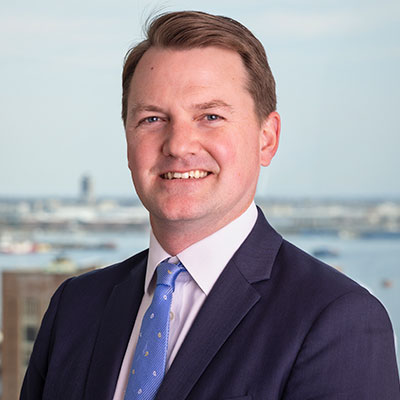
Max Messervy
At a time when many institutional investors, asset managers and regulations in the U.S. are pulling back from sustainability goals, an independent advisory firm has formed to help asset owners, nonprofits and asset managers navigate climate strategy amidst ongoing backlash against the use of environmental, social and governance analyses.
Oakledge Advisors, founded by Max Messervy, a former Mercer director, launched on October 21, aiming to offer asset owners, asset managers, general partners and nonprofits independent advice on navigating sustainability strategy, product development and fiduciary alignment.
“My thesis had been that there was this gap in the market, particularly around sustainably impact-oriented investment advice,” Messervy says. “I think that a lot of consulting firms have kind of, maybe, moved in different directions or read the political tea leaves and moved differently, but at the same time, there’s still a lot of asset owners and allocators who really are still looking for this type of advice.”
Messervy is building on his nearly 20 years of experience advising investors on sustainability issues. He previously was a sustainable solutions director at Mercer, where he led the firm’s sustainable investments team. He also previously worked at the sustainability-focused nonprofit Ceres within that organization’s insurance practice.
“The goal is really kind of trying to play a role of some sort of almost connective tissue of sustainable finance, in a way, helping asset owners, [limited partners] who have long-term objectives and perpetual mandates to invest, to find and discover the right partners on that journey from the manager community and GP community,” Messervy says. “Then on the other side, of course, helping the manager figure out how to position themselves well.”
He said Oakledge also aims to form a bridge between institutional investors and the nonprofit community.
“The [nongovernmental organization] piece sits across all of that potentially, in the sense of helping to advance new thinking, innovative thinking, innovative collaborations that may not always be possible in just a pure private sector facilitated realm,” Messervey said.
In his conversations with investors, Messervy notes a clear trend: Several institutions have overcorrected amidst backlash against ESG considerations, pulling back from sustainability commitments at a time when Messervy says climate, nature and social risks are financially material.
Despite a backlash against ESG, many asset owners still believe in that materiality of climate-related issues on their investments, Messervy says.
“Climate change, or sustainability considerations, [are] still financially material for the institutions [which], in many cases, declared they were financially material before the backlash occurred, typically in public statements and otherwise, and allocated that way,” he says. “If you are thinking … long term, you’re thinking about your fiduciary obligations. Many people argue that there is a fiduciary obligation, then, to address these long-term and, in many cases, systemic challenges, including climate change.”
“The bottom line is: Yes, people are still allocating; they’re still talking about this,” Messervy concludes. “They’re still incorporating it—it’s being done in slightly different, maybe quieter ways, but the work is still happening.”
Related Stories:
How Investment Management Is Helping Increase Sustainability
The Case for ESG Investing, From NTAM’s Sustainability Chief
Proposals Against ESG, DEI Set to Increase This Proxy Season