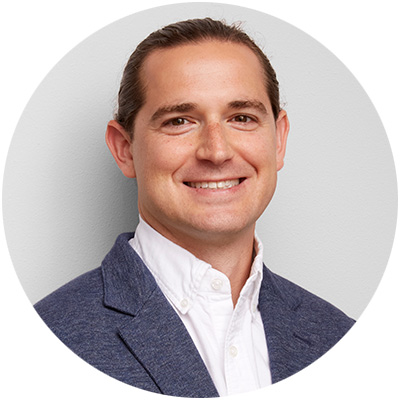
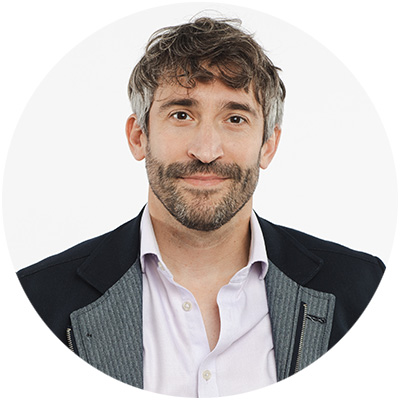
The CHIEF INVESTMENT OFFICER Editorial Team shared a dozen questions with all our NextGen nominees and asked them each to pick six to answer. Their answers informed our decision to include them as a NextGen. Below are Nick Csicsko’s answers.
CIO: How are you dealing with interest-rate risk and market volatility?
Csicsko: The ability to manage emotions and stay focused on opportunities is one of the most important traits I have observed in great investors. Volatility creates opportunities for investors focused on the long term, and the current period we are living through is no different. Taking advantage of volatility requires an aligned team with the confidence to maintain conviction and a willingness to add on weakness. Most importantly, there needs to be a good foundation of communication and trust with stakeholders so you can survive any path the markets take.
CIO: What new skills do you think allocators or institutional investment teams need to be leaders in the field in the coming decade?
Csicsko: Never lose the ability to adapt and challenge dogma. Experience is important, but in a world with rapid change, we sometimes have to unlearn what we think works and be willing to examine a situation from as many perspectives as possible. I think the best investors use their experience to develop their own unique and authentic voice while continually challenging themselves to grow and change. The following line from Daniel Kahneman has stuck with me for years and serves as a constant check on my bias: “The illusion that we understand the past fosters overconfidence in our ability to predict the future.”
CIO: What traditional and/or alternative asset classes do you think are most important for institutional portfolios, and why?
Csicsko: Investing on behalf of a 328-year-old institution serves as a reminder to stay focused on the very long term and what could be transformative over the coming decades. For that reason, I have been spending time looking at potential opportunities in the cryptocurrency and carbon markets. Putting the time in now for what are niche and potentially relatively small exposures could lay the groundwork for something more substantial in the future. There is no doubt that there will be learning and mistakes along the way, but I think it is important for long-term investors to have some allocation to assets that could be highly disruptive over time.
CIO: How can allocators address the growing global headwinds of demographics, geopolitical tensions, trade wars and changing supply chains?
Csicsko: Partnering with great managers is the best line of defense, as change always creates opportunity.
CIO: What roles do AI and large language models play in institutional investing?
Csicsko: AI is significantly influencing how we manage our portfolio, our time and how our managers invest. We are spending time working to integrate new tools into all aspects of our work. I am excited about what comes next but hesitate to make any predictions. I do believe that creativity and the ability to synthesize information and ideas will become more and more valuable as we continue to make advances.
CIO: What asset class or investment troubles you most right now, and why?
Csicsko: Of my many worries, I am most concerned about the general level of illiquidity across institutional portfolios. The world is changing rapidly at the same moment when many institutions are at or near the highest level of illiquidity in their long histories, limiting their ability to adapt. How this unfolds is anyone’s guess and there may be lots of opportunity, but being overweight privates can make capturing opportunities difficult.