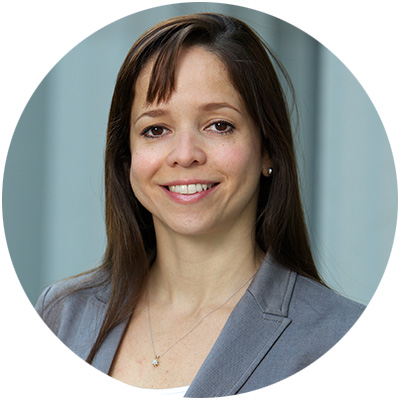

“Isidora is an exceptional human being, combining extraordinary intellect with remarkable emotional intelligence. She is among the most insightful and dynamic individuals I have had the privilege to work with. A Phi Beta Kappa graduate of Yale University, fluent in three languages, Isidora brings a global perspective shaped by her experience at Goldman Sachs, BC Partners and Searchlight Capital Partners before joining TMRS.
“Since joining TMRS, Isidora has played a pivotal role in driving investment strategy and execution. She has led and executed co-investments across the software and business services sectors, ensuring exposure to resilient, high-margin and mission-aligned verticals. Her keen investment acumen has helped position the portfolio to capture long-term digital transformation trends while maintaining disciplined underwriting standards.
“Beyond individual investments, Isidora has been instrumental in shaping TMRS’ private equity strategy. She has played a central role in sourcing, evaluating and underwriting commitments across the private equity spectrum, from venture capital to buyouts, always with a focus on alignment, competitive edge and structural fit within the broader portfolio. Most notably, she authored TMRS’ five-year private equity capital allocation road map, a strategic blueprint that now serves as a foundational guide for long-term deployment, investment pacing and thematic priorities across asset classes and geographies.
“In addition to investment selection, Isidora has introduced key operational enhancements, implementing internal monitoring tools that track deployment pacing, measure progress against allocation goals and proactively identify rebalancing needs, reinforcing the portfolio’s discipline and agility.
“Isidora is also a thought leader in thematic investing, spearheading focus areas in digitalization and consumer trends while building a robust pipeline of investment opportunities aligned with secular growth tailwinds. She has actively expanded TMRS’ global network of investment managers, granting the institution access to differentiated deal flow and specialized expertise while enhancing geographic diversification.
“Beyond her technical expertise, Isidora is a mentor and culture-builder, deeply committed to developing junior investment professionals. Her focus on skill-building, market literacy and institutional judgment has strengthened the internal talent bench and fostered a collaborative, high-performing team culture.
“Isidora’s trajectory is clear: She is on the path to becoming an extraordinary chief investment officer. Her rare combination of strategic vision, analytical rigor and leadership acumen makes her an outstanding candidate for any recognition of the next generation of investment leaders.
“I have no doubt that Isidora will make a lasting impact on the investment world, and I wholeheartedly endorse her for this honor.”
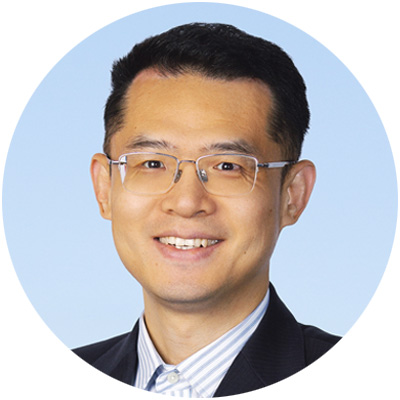
—Yup Kim, CIO, Texas Municipal Retirement System
The CHIEF INVESTMENT OFFICER Editorial Team shared a dozen questions with all our NextGen nominees and asked them each to pick six to answer. Their answers informed our decision to include them as a NextGen. Below are Isidora Stankovic’s answers.
CIO: How are you dealing with interest-rate risk and market volatility?
Stankovic: We’re acclimatizing to a new normal defined by interest-rate risk and market volatility and subsequently ensuring our portfolio can weather potential global headwinds. Nevertheless, in this environment, TMRS is still committed to increasing its private equity target to 20% from 13%, and periods of volatility provide unique opportunities for asymmetric value creation if you can swiftly identify and act upon market dislocations. To that end, we’re prioritizing building out high-conviction themes in digital transformation, health care innovation, industrial resilience, financial empowerment and energy modernization to be better able to capitalize on potential opportunities across private equity and other asset classes. Additionally, developing and maintaining strong partnerships with top managers is more critical than ever. Now is a particularly valuable time to engage with existing partners to explore how LPs can be supportive and offer meaningful solutions.
CIO: How can allocators address the growing global headwinds of demographics, geopolitical tensions, trade wars and changing supply chains?
Stankovic: The pace of change has been swift, and we’ve fully arrived in a new regime that requires a new playbook. Geopolitical tensions and the spillover into trade wars and changing supply chains will result in higher baseline inflation and a need to manage persistent macro volatility. In order for allocators to remain disciplined, it’s important to adopt a thematic approach to investing that prioritizes conviction in exposure to structural themes. By doing so, allocators can lean into resilient sectors to mitigate the impact on portfolios from the wider market headwinds. At TMRS, for example, our PE co-investment strategy is predicated on a thematic approach that prioritizes identifying the market trends and sub-sectors we see as long-term winners. We feel in this market, you cannot be reactive and expect to reap the same benefits seen in the past for PE, and a carefully curated co-invest portfolio can provide a powerful hedge. Finally, despite global headwinds, there has been astonishing progress from AI. As a result, allocators should modernize their internal capabilities and find ways to proactively integrate AI solutions to improve processes, surface insight faster and augment decisionmaking, ultimately leveraging innovation to succeed in uncertain times.
CIO: What traditional and/or alternative asset classes do you think are most important for institutional portfolios, and why?
Stankovic: I believe private equity remains an excellent way to generate alpha within a portfolio and serves as a hedge against public market volatility. However, outsized returns are contingent upon institutional investors’ ability to develop meaningful, long-term partnerships with managers and exercise discipline in manager selection and pacing. Lower middle-market and middle-market private equity remains a highly attractive space, given the significant potential for value creation that PE firms and deal teams can unlock for companies at this end of the market. Simply, PE firms that can demonstrate a track record of identifying the right assets and management teams, improve strategy and operations, and make prudent decisions regarding exit timing will continue to deliver best-in-class returns that exceed those of other assets classes. The attractiveness of lower-middle and middle-market firms is further reinforced by the introduction of retail investors to private equity, led by the mega funds. As retail investors typically have a lower cost of capital than institutional, I expect we’ll see institutional investors face increasing competition for allocations. With that in mind, it will be important to establish relationships with smaller managers who can benefit from long-term, patient capital and tend to offer higher returns.
CIO: What should be an investment trend, but isn’t (yet)?
Stankovic: Private equity limited partner and general partner secondaries are certainly already a trend, but I believe they will become a core component of any institutional portfolio. Today, many are inclined to view GP secondaries as transactional solutions to extract liquidity; however, the next phase requires a greater focus on secondaries as distinct from the existing PE book, given they can provide meaningful optionality. The opportunity to invest in GP secondaries allows institutional investors to take a selective, asset-led underwriting approach, often at attractive relative valuations. They further reshape return timing and profile, allowing investors an opportunity to smooth out the J-curve, accelerate distributions and avoid blind pool risk. LP secondaries similarly provide an opportunity to diversify vintage and enter attractive valuations. I’m excited to see the secondary evolution and think there’s a lot of untapped value to be unlocked by making secondaries a permanent part of allocation strategy.
CIO: Who in asset management (a person, not a firm) has most influenced your growth as an institutional asset manager?
Stankovic: TMRS CIO Yup Kim has certainly influenced my growth as an institutional investor, as he convinced me to become one! Before meeting him, I had been considering moving from the GP to the LP side for some time. From our first interaction, Yup made me understand how impactful and interesting a career in institutional investing would be, and at TMRS, he is focused on empowering his team and building a culture of trust and excellence. It’s been such a privilege to work with the TMRS team and be a part of TMRS’ evolution.
CIO: What new skills do you think allocators or institutional investment teams need to be leaders in the field in the coming decade?
Stankovic: Allocators and institutional investors will need to eagerly embrace the efficiency gains brought by AI and be leaders within their institutions to promote the adoption of the latest and most relevant applications. At TMRS, we are regularly meeting with AI startups whose products we believe could enhance our workflows and improve our day-to-day operations, so we are able to ultimately see more opportunities, make better conclusions and even become more creative in our decisionmaking. At the same time, as data become commoditized, human relationships will remain a key differentiation for allocators, and they should continue to prioritize forging connections with managers that will be long-term partners.
I also believe direct investing experience is an incredibly valuable understanding for investors to bring to the allocating and institutional investing side. It allows allocators and investors to better anticipate the needs of their partners and facilitates an asset-first approach to investing across asset classes, ultimately improving partnership dynamics and investment outcomes. I think we’ll continue to see more crossover between allocation and direct investment in the coming decade.